Shihab Burke LLC Immigration Lawyers helps couples respond when USCIS questions whether their marriage is real. Our Columbus marriage fraud allegation lawyers review the government’s concerns, gather evidence of the marriage, and prepare a careful response. From our offices in Columbus and Dublin, Ohio, we serve couples in the Columbus area, throughout Ohio, and across the United States, including spouses who live abroad.
Highlights
- A marriage fraud finding is a decision that a marriage was entered only to get immigration benefits.
- A fraud finding can permanently block future petitions for the foreign spouse, filed by anyone. This is often called the Section 204(c) bar.
- A weak case and a fraudulent marriage are different. Limited evidence alone does not prove fraud.
- USCIS usually must tell the couple about negative information it plans to rely on and give them a chance to respond.
- A fraud concern needs immediate legal review, before any response is sent.
+1 (866) 665-0001Schedule Consultation
What Is a Marriage Fraud Finding?
A marriage fraud finding is a decision by U.S. Citizenship and Immigration Services (USCIS) that a marriage was entered only to get immigration benefits, and not to build a life together. USCIS can make this finding about the current marriage or about an earlier marriage of the foreign spouse.
A marriage fraud finding is one of the most serious results in family immigration. It can end the current case and affect the foreign spouse’s future in the United States.
Our Approach
When a fraud concern is raised, we review your entire history, including, for example, the interview record and any earlier marriages, so your response tells your family’s story clearly and completely.
“They always made sure we understood each step, answered all of our questions with patience, and treated us with kindness and respect.”
— Google review
Talk with a Columbus marriage fraud allegation lawyer: 866-665-0001.
What Is the Section 204(c) Bar?
The Section 204(c) bar is a rule in U.S. immigration law that stops USCIS from approving any future green card petition for a person who married, or tried to marry, only to get immigration benefits. The bar applies to petitions filed by any U.S. citizen or green card holder, and to employment-based green card petitions too.
The Section 204(c) bar is permanent. For this reason, a fraud concern about an earlier marriage can stop a petition based on a later, real marriage. USCIS must base a fraud finding on strong evidence in the record. Suspicion alone is not enough.
How Does USCIS Investigate Marriage Fraud?
USCIS may look into a marriage in several ways:
- Interviews. Officers may interview the spouses together and then separately and compare their answers.
- Home visits. Officers may visit the couple’s home or workplace, sometimes without notice.
- Records. Officers may review public records, tax and address records, social media, and immigration files.
- Information from others. Officers may consider information from former spouses, neighbors, or other people.
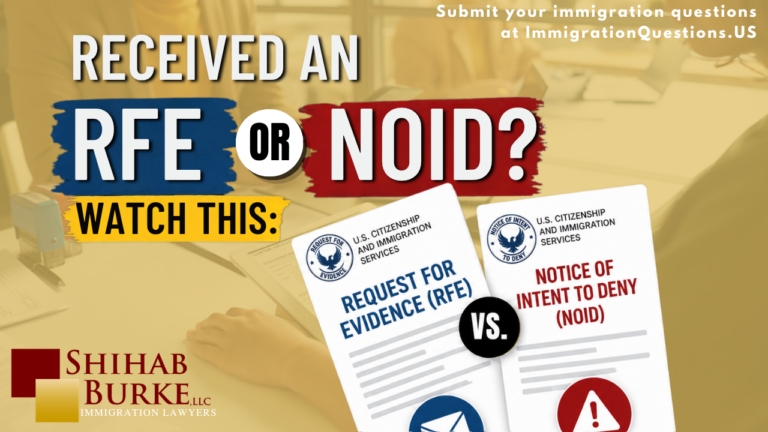
When USCIS plans to rely on negative information, it must usually tell the couple and give them a chance to respond, often through a Notice of Intent to Deny. Learn more on our marriage green card NOID page.
Is a Weak Case the Same as Marriage Fraud?
No. A weak case is a case without enough evidence of a shared life. A fraud finding requires evidence that the couple married only for immigration benefits. A couple may have little paperwork for honest reasons, such as living with family, keeping separate bank accounts, or a recent move.
A weak case can often be fixed with more evidence and clear explanations. A fraud finding is far more serious, so the difference matters. USCIS may deny a weak case without finding fraud.
What Is a Stokes Interview?
A Stokes interview is a marriage interview in which a USCIS officer questions each spouse separately and then compares the answers. The name comes from a court settlement from many years ago. Officers often ask about daily routines, the home, family members, and important dates.
Different answers can lead to a Notice of Intent to Deny. Couples should prepare, answer honestly, and say “I don’t know” rather than guess. A lawyer may attend the interview. Learn more on our marriage green card interview page.
What Is a USCIS Home Visit in a Marriage Case?
A site visit is a visit by USCIS officers, often without notice, to a couple’s home or workplace. The officers often work for the USCIS Fraud Detection and National Security unit, called FDNS. They may ask who lives in the home, look around, and speak with neighbors or a landlord.
Couples should stay calm and polite, answer honestly, and ask for the officers’ names and contact information. After a site visit, the couple should tell their lawyer what was asked.
What Evidence Shows a Bona Fide Marriage?
A bona fide marriage is a real marriage that the couple entered to build a life together. Strong evidence of a bona fide marriage usually includes:
- A joint lease, mortgage, or deed
- Joint bank accounts, credit cards, and household bills
- Joint tax returns
- Health, life, or car insurance that lists the spouse
- Birth certificates of children born to the couple
- Photos together over time, with family and friends
- Travel records, messages, and call records
- Sworn letters from people who know the couple
The evidence should cover the whole relationship, not only the weeks before the interview. Learn more on our spouse visa and marriage green card page.
How Should a Couple Respond to a Marriage Fraud Allegation?
A fraud allegation should be answered carefully and completely. These steps help:
- Do not ignore the notice. Mark the deadline right away.
- Talk with a lawyer before sending any response or written statement.
- Request the interview and file records, when time allows, through a Freedom of Information Act (FOIA) request.
- Gather strong evidence of a shared life over time, not only recent documents.
- Prepare sworn statements from both spouses that explain any differences or unusual facts.
- Add sworn letters from people who know the couple and have seen the marriage over time.
- Answer the legal issues with a written legal argument.
What Are the Penalties for Marriage Fraud?
Marriage fraud has serious immigration and criminal consequences. A marriage fraud finding can permanently block future green card petitions under the Section 204(c) bar, can make the foreign spouse inadmissible for misrepresentation, and can lead to removal from the United States. Entering a marriage to evade U.S. immigration law is also a federal crime that can lead to prison and fines.
What Are the Options After a Marriage Fraud Finding?
The options depend on which case was denied and why. A denied spouse petition (Form I-130) can usually be appealed to the Board of Immigration Appeals. A motion to reopen or reconsider may also be possible. A new petition alone usually does not solve the problem, because the Section 204(c) bar would apply to it too.
A fraud finding can also affect the foreign spouse’s ability to stay in the United States. A spouse who receives a Notice to Appear in immigration court should speak with a removal defense attorney right away. Learn more on our I-130 denial appeal page.
How Our Columbus Marriage Fraud Allegation Lawyers Help
A fraud concern calls for a complete review of the whole case, not only the latest notice. We review, for example, the interview record, the evidence already filed, any earlier marriages of either spouse, and the family’s immigration history. We then give you an honest assessment of the risks and your options and build a response that tells your family’s story clearly. This approach does not guarantee a result, but it helps make sure the government sees the full picture.
We:
- Review the notice, the file, and the interview records
- Explain the difference between a weak case and a fraud finding in your situation
- Help you gather evidence of your shared life over time
- Prepare sworn statements and a written legal argument
- Advise you on appeals and motions if USCIS makes a fraud finding
Our attorneys represent clients at USCIS interviews at any USCIS office in the United States. For cases at any U.S. embassy or consulate, we prepare the relative for the interview and handle communication with the embassy.
Every family case is different. At the consultation, we review your situation, explain what our representation will cover, and quote a fee. Most cases are handled for a flat fee.
Frequently Asked Questions About Marriage Fraud Allegations
Can USCIS find marriage fraud just because we have little evidence?
No. Limited evidence can lead to a denial, but a marriage fraud finding requires evidence that the couple married only for immigration benefits. The difference is important because a fraud finding can block future petitions.
Can a fraud finding about an earlier marriage affect my current marriage case?
Yes. If USCIS finds that the foreign spouse’s earlier marriage was entered only for immigration benefits, the Section 204(c) bar can stop approval of a petition based on a later, real marriage.
Can we have a lawyer at a fraud interview?
Yes. A lawyer may attend a USCIS interview with the couple. Our attorneys represent clients at USCIS interviews at any USCIS office in the United States.
Is marriage fraud a crime?
Yes. Entering a marriage to evade U.S. immigration law is a federal crime that can lead to prison and large fines. Most marriage fraud concerns, however, are handled in the immigration case itself.
What if USCIS made a mistake about our marriage?
If USCIS denies a case based on a mistaken fraud finding, an appeal or a motion to reopen or reconsider may be possible. The deadlines are short, so the couple should talk with a lawyer as soon as the decision arrives.
Related Videos and Articles
- Understanding Immigration Fraud: Common Misconceptions and Consequences (video)
- Why Is Honesty So Important in Green Card Interviews? (video)
- Immigration Fraud (article)
Talk With a Columbus Marriage Fraud Allegation Lawyer
Our Columbus office is at 4449 Easton Way #200, Columbus, OH 43219. Our Dublin, Ohio office is at 565 Metro Pl S #100, Dublin, OH 43017. Both offices are open by appointment only, Monday through Friday, 9 a.m. to 5 p.m.
Contact our Columbus or Dublin, Ohio office, or call 866-665-0001, to schedule a consultation in person, by phone, or by video conference.